Entradas


General information
Extension: 54251 hectares Date of declaration: 28/10/1969 Environmental units:The Atlantic coast of Andalusia Routes:Huelva by the TransAndalus, Wine and Marco de Jerez Brandy Route
Quality marks:European Charter for Sustainable TourismReserva de la Biosfera
Fauna and flora
Whereas the lagoons are dominated by plants adapted to this habitat, such as reeds and rush, the further away you get, you will find other species more related to banks and river channels. First of all are the cork trees, alongside strawberry plants and palm trees, among others, followed by the blood-red willow, an endemic of the Tertiary period, which make up amazing forests next to the royal fern, ash, white poplar, sarsaparillas and honeysuckle,… The union of very different ecosystems is the main reason that Doñana is a true paradise for birds, as it has over 120 species of so-called aviaries: a real explosion of sound, colour and life.
The fertile ground gives way to magnificent forests of stone pine, such as Coto del Rey, El Abalario or the Pinar de La Algaida, which share their habitat with the black mountains - myrtle, mastic, Moorish rock rose, rosemary, thyme, lavender, white and yellow rock rose, as the more humid land changes to higher and dryer land. This is where two of the most valued species live, the Iberian lynx and the imperial eagle, as well as other mammals, reptiles and birds.
Stabilizing the coastal dunes are plants that can handle a dryer and windier atmosphere, with the sand and salt, also known as unkempted forest , which include juniper, savins and marram grass.
What is there nearby?

What to do
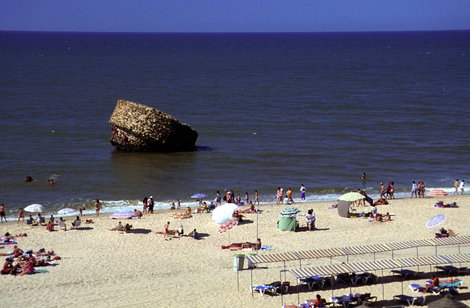
The extreme environmental importance of this territory adds to the quality of the experience. The broad network of trails is an excellent way to discover the qualities of this protected are, either hiking or on bike. These allow you to access excellent riverbank forests along the Acebrón path, bird watch following the route of La Rocina, which has observatories for this purpose, or follow pleasant cycling routes, such as the one that crosses the Matalascañas and another that starts in the forest village of Cabazudos. Meanwhile, birdwatching possibilities, with or without guide, are outstanding.
Others options that have been specially designed under the control of the administration of the protected area are outings in 4x4s with bi-lingual guides, where you can discover the countryside and its traditional uses, such as beekeeping, forestry, fishing, hunting and chickadee, which also reveals the dwellings of coal merchants and other forest towns that are dotted around the area, such as Bodegones, El Abalorio o Los Cabezudos-.
You can also sail in the Fernando Royal Ship, which sails down the Guadalquivir from Sanlúcar. Other very unique events include the “mare show", or saca de yeguas, which has been held every year in Almonte for over five centuries; the palatial mansion of Acebrón, with shows the day to day runnings of this natural space, with special dedication to the El Rocío pilgrimage, the most important in Spain; and the coastal watchtowers, such as Carboneros, Zalabar and Pico del Loro, all built in the 16th century as a defence against pirates and corsairs. Sports:Horse riding, Kitesurfing, Orienteering, Kayaking, Sailing, Hot air ballooning, Free Flying, Windsurfing, Mountain biking, Surfing